
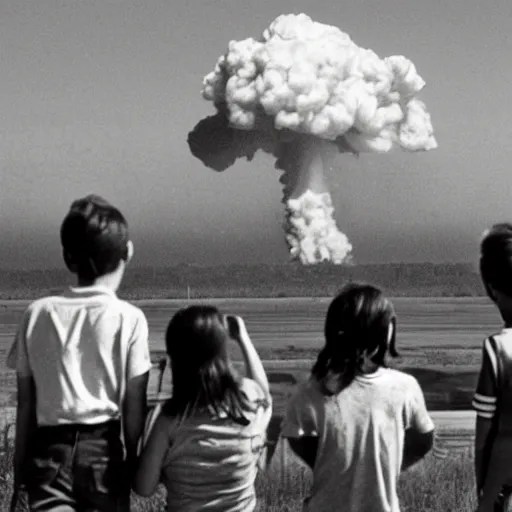
A Child & Adolescent Psychotherapist explores how a world in turmoil heightens adolescents’ sense of instability and shares ways how parents can offer security and hope
We live in a world in transition and face existential threats to which we don’t have any clear solutions. We’ve known the danger global warming poses to our survival for decades, yet are incapable of doing something about it, with emissions rising year after year. Automation is not just changing the labour market, making many job roles obsolete; there is also the real threat of AI eventually outsmarting us and taking over control. We also witness a war in Europe against a dictator who owns nuclear weapons, and have recently come out of the first global pandemic since 1918.
Child & Adolescent Psychotherapist Dr Tzikas is concerned about the impact this bleak outlook has on the young. There has been a 53% rise in children and adolescents requiring emergency mental health care between 2021 and 2023¹, and he sees a connection.
“During my sessions with teenagers, they would often say things such as, ‘why should I even try hard in school if the world is going to end?’, or, ‘what’s the point of thinking about the future if everything feels so bleak?’, he says.
One possible interpretation of these views is that the young generation has simply become less resilient and more anxious due to the time spent in front of screens and the influence of social media. And that parent have become over-protective when it comes to physical activity and going outside, and under-protective when it comes to limiting screen time and social media use.
Although Dr Tzikas does warn about the negative effects of uncontrolled screen time – especially for younger teenagers – he does not believe that the mental health crisis among the young is unrelated to world events. “Adolescents are incredibly aware of what’s going on, and their frustrations are valid. Movements like the youth-led climate strikes show how engaged they are. But they are often not listened to and their concerns are not taken serious enough, because they are young. This needs to stop.”
“I often start by acknowledging their feelings. Recognising their frustrations can be powerful and often opens the door to a deeper conversation. What I find is that when young people feel heard they start connecting the dots between external events and their inner anxieties.”
He explains that adolescents are particularly sensitive to their surroundings
as their brains are still developing, particularly in areas related to emotional
regulation and future planning. This heightened sensitivity makes them more likely
to internalize societal worries, creating anxiety about the future and their place in it.
In addition, he explains, family systems are in transition as societal values and norms evolve. Very often, both parents are working full-time and there is less support from extended families compared to previous generations.
But new family structures do not have to be a problem, as long as parents are emotionally present and supportive, he explains.
For parents, what does this mean in practice? Dr Tzikas recommends the following steps as a starting point.
- Recognise and acknowledge the problem
“It is often the adolescents themselves, not their parents, who bring up their fears about the future, including the climate crisis. This suggests a level of unawareness or even denial on the part of some parents. Recognising and acknowledging that these are valid concerns is the first step towards helping young people feel seen and supported.”
- Have the time to truly listen and talk with your teen
“I know this can be challenging, especially when both parents are working, but it’s incredibly important. Taking the time to listen, without judgment or rushing to offer solutions can help adolescents feel heard and understood. Parents should show curiosity about what their teen has to say and ask questions to really understand how they experience issues such as the climate crisis.”
- Provide a stable home environment
“This doesn’t mean a perfect home—life isn’t perfect—but it does mean providing a good-enough environment with clear boundaries, routines, and a sense of predictability. Adolescents need a sense of safety and order to counteract the chaos
they perceive in the world around them and in themselves. For divorced parents, stability can come from maintaining consistent communication and ensuring the adolescent feels supported by both parents. ”
- Practice honesty to build resilience
Dr Tzikas says: “It’s important not to avoid or underplay concerns. Talking about anxieties does not amplify them, it helps to process them.”
“Being honest—acknowledging that these challenges exist while emphasising that they can be faced together—also helps build resilience. It shows adolescents that while the world may be unpredictable, they are not alone in navigating it.”
- Model hope and action
“Young people pick up on our attitudes. If we act resigned, they will too. If we show them that change is possible – that their voices and efforts can make a difference – it helps to restore their sense of agency.”
Adolescents are not just looking for hope, they are also looking for examples of
actions. “When adults model proactive behaviour, whether by supporting climate
activism or engaging in community efforts, it shows young people that
change could be achieved and they can play an active role in shaping their own
future”.
Dr Tzikas concludes: “Adolescents today are facing immense challenges, but they are
also incredibly resilient. By supporting them, listening acting and standing alongside them, we can help them feel able to dream about their future”.
————
Dr Nikolaos Tzikas is a Child and Adolescent Psychotherpaist who works privately in London and for the NHS in a crisis team for adolescents and their families. He is a member of the Association of Child Psychotherapists (ACP).
 Words without waffle
Leave a comment